Mapping Bamiyan
In 2015 UNESCO asked me to map Bamiyan’s creative industries and develop a report with recommendations on how to turn the region into a creative hub — in a valley the world mostly remembers for what was destroyed there.
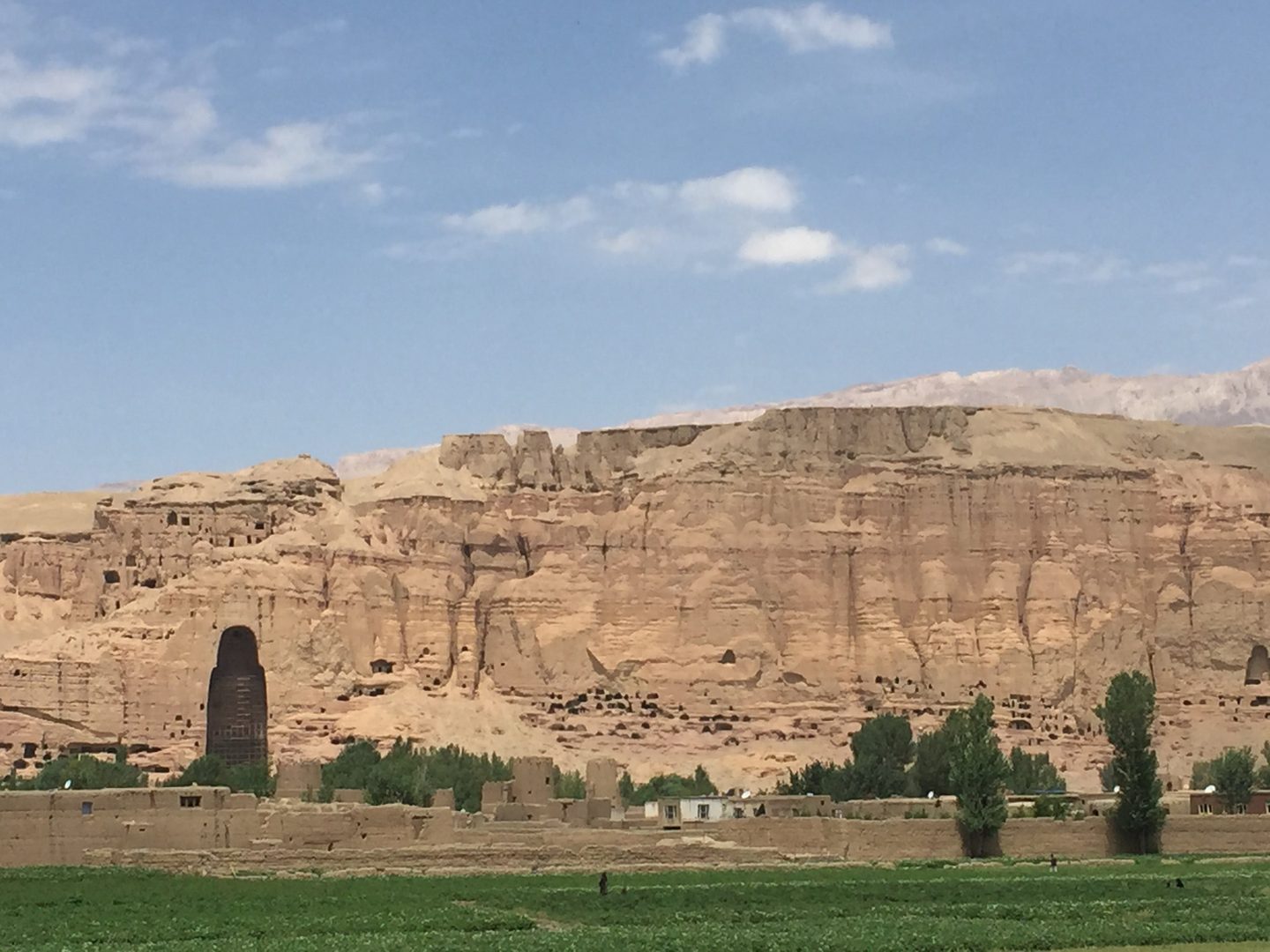
I didn’t do it from a desk. Over three weeks in-country I sat with the people who actually make Bamiyan’s culture — carpet weavers and calligraphers, radio journalists who had taught themselves the trade, a woman who could not read but ran a handicraft supply chain in her head, the founders of a film collective screening open-air cinema, the minister of Tourism and the region’s governor. Then twenty-two young activists, artists and entrepreneurs and I spent a day mapping their own city’s creative life — naming what it was, and what they hoped it would become.
We mapped every craft against its vitality: what was thriving — embroidery, weaving, photography, a women’s cycling team that had made the impossible look obvious — and what was sliding towards extinction — dance, theatre, pottery, the oral histories held only by the oldest generation. The map was never an inventory. It was a diagnosis of which kinds of knowledge were being carried forward, and which were quietly being let go.
A creative hub evolves. It is not made.
What I found was that Bamiyan’s identity lived in its patterns and the tenacity and resilience of its residents. The textiles and beadwork encoded stories, geographies, and lineages — a knowledge system most of the younger generation could no longer read.
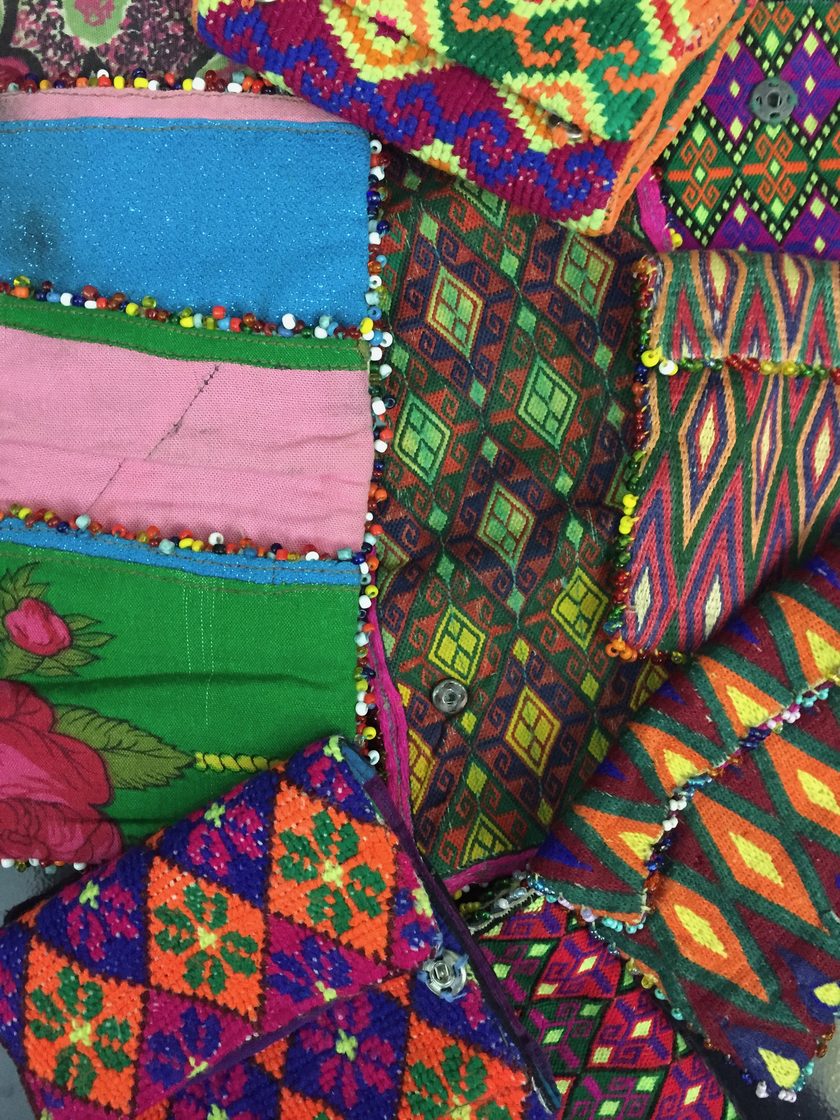
So I designed a hub — not a building but a network with spokes: a community council that owned the thing from the outset, a shared identity, a maker space that would set a laser cutter beside a weaving loom, music training to revive an art that had nearly gone silent, radio to capture oral histories, and a long-term research programme to catalogue the patterns and the stories inside them before they were lost. Against every reflex of development work, the governing principle was that the community had to drive it, or it would never take root. UNESCO’s role was not to build but to convene — to hold a vision, and then step back.
“We need a framework that connects the past to the future.”
I read this work now as the seed of almost everything that came after: the conviction that material culture is a form of knowledge that resists being digitised away, that archives are living and contested rather than settled, that technology is an enabler and never a saviour, and that the most interesting systems are the ones you tend rather than engineer. Bamiyan taught me how to map a living thing without making assumptions and by observing patterns, gestures, aspirations and dreams.
← All work